What Is the Difference Between Tree Cutting and Tree Removal in Kalgoorlie?
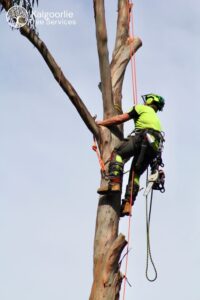
Trees provide shade, enhance outdoor spaces, and contribute to the appearance of residential and commercial properties in Kalgoorlie. However, overgrown branches, storm damage, and declining tree health can create safety concerns and maintenance challenges. Understanding the difference between tree cutting and tree removal helps property owners choose the right professional tree services for their needs.
Tree cutting generally involves removing selected branches or sections of a tree, while tree removal means taking down the entire tree. Depending on your property’s requirements, professional tree removal services in Kalgoorlie can help determine whether tree pruning, tree trimming, tree lopping, or complete removal is the most appropriate solution.
What Is Tree Cutting?
Tree cutting refers to removing specific parts of a tree to manage growth, improve clearance, or address damaged branches. Depending on the situation, this service may include selective pruning, canopy reduction, deadwood removal, and trimming branches near buildings.
Tree cutting is often suitable when a tree remains healthy but has branches growing too close to a roof, driveway, fence, or outdoor entertaining area. Professional cutting can help maintain clearance and manage excessive growth without removing the entire tree.
Tree Pruning and Tree Trimming Services
Tree pruning focuses on removing selected branches to improve tree structure, manage damaged growth, and maintain healthy development. Tree trimming generally involves controlling excessive growth and maintaining clearance around buildings, pathways, and other structures.
These tree services can help property owners maintain attractive landscapes while addressing practical safety and maintenance concerns. The appropriate technique depends on the tree species, condition, and intended outcome.
Tree Lopping for Overgrown Trees
Tree lopping involves cutting substantial sections of a tree to manage its size or address specific property concerns. However, indiscriminate lopping can damage the tree, encourage weak regrowth, and increase future maintenance requirements.
Where possible, appropriate pruning or canopy reduction should be considered instead of excessive cutting. An experienced arborist can assess the tree and recommend suitable techniques.
What Is Tree Removal?
Tree removal involves dismantling or cutting down an entire tree when retaining it is no longer practical or safe. This service may be necessary when a tree has extensive decay, severe storm damage, significant structural instability, or a location that creates an unacceptable risk to people or property.
Unlike routine tree cutting, complete tree removal requires careful planning to manage the trunk, branches, surrounding structures, and resulting green waste. Depending on site conditions, the tree may need to be dismantled in sections rather than felled in one piece.
Tree Felling for Complete Tree Removal
Tree felling refers to cutting down a standing tree in a controlled manner. This method is suitable only when there is sufficient clearance and the surrounding conditions allow the tree to fall safely.
In confined residential properties, sectional dismantling may be necessary to prevent damage to roofs, fences, vehicles, and neighbouring structures. Professional tree removal specialists determine the appropriate method according to the tree’s size, condition, and location.
Emergency Tree Removal After Storm Damage
Emergency tree removal may be required when storms leave trees uprooted, trunks split, or large branches dangerously suspended. These situations can threaten buildings, obstruct access, and create hazards for residents and visitors.
Avoid approaching unstable trees or attempting to remove hanging branches yourself. Professional assessment helps determine the safest response, particularly when damaged trees are close to buildings, roads, or powerlines.
Tree Cutting vs Tree Removal: Key Differences
Although both services involve cutting trees or branches, their purposes and scope differ.
- Purpose: Tree cutting manages selected branches or sections, while tree removal eliminates the entire tree.
- Tree preservation: Cutting may allow a healthy tree to remain, whereas removal permanently eliminates it.
- Work requirements: Both require appropriate safety procedures, but tree removal may involve complex dismantling, rigging, and specialised equipment.
- Cost: Tree cutting is often less expensive, although costs depend on the work required. Tree removal may involve additional labour, equipment, and waste disposal.
- Additional services: Cutting may require green waste removal, while complete removal may also involve stump grinding or excavation.
The right option depends on the tree’s condition, its surroundings, and the property’s long-term requirements.
When Is Tree Cutting the Better Option?
Tree cutting is often appropriate when a tree remains reasonably healthy and the problem can be addressed without removing the entire tree.
Deadwood Removal and Damaged Branch Cutting
Deadwood removal helps reduce the risk of falling branches, particularly around homes, driveways, sheds, and outdoor spaces. Branches showing cracks, decay, or storm damage should be assessed before cutting.
Professional tree cutting can help address these concerns while preserving suitable parts of the tree.
Canopy Reduction and Clearance Management
Canopy reduction may help manage excessive growth near buildings and improve clearance around outdoor areas. Selective pruning can also improve light penetration and airflow when appropriate for the tree species.
Residential Tree Trimming Services
Regular tree trimming helps manage branches growing near roofs, fences, pathways, and neighbouring properties. Appropriate trimming can maintain a neat landscape while reducing interference with everyday property use.
When Should You Consider Complete Tree Removal?
Some trees cannot be managed adequately through pruning or trimming alone. Complete removal may be appropriate when structural problems, extensive damage, or site conditions create unacceptable risks.
Hazardous Trees and Structural Instability
Trees with extensive trunk decay, major root damage, severe splitting, or substantial leaning may require professional evaluation. An arborist can assess the tree’s structural condition and determine whether it can be retained safely.
Dead or Diseased Tree Removal
Dead trees and trees affected by advanced disease may become increasingly unstable. Removal may be recommended when their condition presents a significant risk to people, buildings, or frequently used outdoor areas.
However, a declining tree does not automatically require removal. The decision should account for its location, structural condition, potential hazards, and opportunities for appropriate management.
Tree Removal for Construction and Property Access
Trees may interfere with building work, driveway improvements, drainage projects, or planned landscaping. Before arranging removal, property owners should check whether local regulations, permits, or other approvals apply.
Arborist Services and Tree Risk Assessments
Professional arborist services help property owners understand whether a tree requires pruning, further investigation, or complete removal. Assessments may consider visible defects, canopy condition, trunk integrity, root stability, and the surrounding environment.
Tree risk assessments also consider the likelihood of tree failure and the potential consequences for people and nearby structures. This information supports informed decisions about tree cutting, ongoing monitoring, and hazardous tree removal.
Tree Removal Costs in Kalgoorlie
Tree removal costs vary according to tree height, trunk diameter, condition, site accessibility, and proximity to buildings or powerlines.
Other factors that may affect the quotation include:
- The complexity of tree felling or sectional dismantling.
- Equipment and labour requirements.
- The volume of branches and timber requiring disposal.
- Whether stump grinding or stump removal is needed.
- Access restrictions and surrounding property hazards.
Tree cutting costs depend on the number of branches, canopy density, pruning requirements, and green waste removal. Requesting a site-specific quotation helps clarify the proposed work and expected costs.
Stump Grinding and Stump Removal Services
After a tree has been removed, the remaining stump may interfere with mowing, landscaping, paving, or future construction.
Stump grinding reduces the stump below ground level, helping restore usable outdoor space. Complete stump removal may be more appropriate when excavation is required for new landscaping, fencing, or other property improvements.
The best option depends on stump size, root development, surrounding infrastructure, and the intended use of the area.
Contact Kalgoorlie Tree Services for Professional Tree Services
Whether you need tree pruning, tree trimming, tree lopping, emergency tree removal, tree felling, or stump grinding, selecting the appropriate service starts with understanding your tree’s condition and the risks surrounding your property.
Contact Kalgoorlie Tree Services to discuss your requirements and request a suitable quotation. Professional advice can help you determine whether selective tree cutting or complete tree removal is the right solution for your residential or commercial property.